
Table of Contents
ToggleCase Study: Early Detection of Clubfoot in Pregnancy Scan
Disclaimer: The names and certain personal details in this case study have been changed to protect patient privacy.
Aditya (25) and Shruti (25) were a newly married couple who had been looking forward to starting a family. When Shruti conceived in the first few months of trying, they were overjoyed.
They started planning everything, from booking their pregnancy scans and appointments to choosing a colour theme for the nursery.
They chose Jammi Scans for their pregnancy scans and consultations. From the very first early pregnancy scan, they valued receiving clear explanations and structured guidance.

First visit to Jammi Scans
During the early pregnancy scan, Dr. Deepthi Jammi confirmed the pregnancy and guided them through the initial weeks. Everything seemed perfect and was progressing smoothly.
When Dr. Deepthi Jammi called Aditya inside the scan room to show the baby’s heartbeat, they were over the moon.
The day of the finding
The couple visited Jammi Scans for their scheduled anomaly scan in the 5th month of pregnancy. Shruti didn’t have any medical issues or complications.
On the scan, the baby looked perfectly fine – heart, brain, kidneys, spine, stomach, and limbs — everything appeared normal.
But when Dr. Deepthi began examining the baby’s lower limbs in detail, she noticed something that caught her attention.
Expecting Clear Answers From Your Scan? Consult Dr. Deepthi Jammi
The Detailed Limb Check
In every anomaly scan, FMF (Fetal Medicine Foundation) guidelines outline specific checkpoints to ensure that the baby’s growth and structure are normal.
Being a certified fetal medicine specialist, Dr. Deepthi Jammi makes sure to follow each one meticulously.
During this detailed limb check, she looked for:
- The presence of all four limbs (two arms and two legs)
- The three segments of each limb (arm–forearm–hand and thigh–leg–foot)
- The movement and position of the limbs
- The presence of fingers and toes
Clubfoot (Talipes) – Pregnancy Scan Sample Report
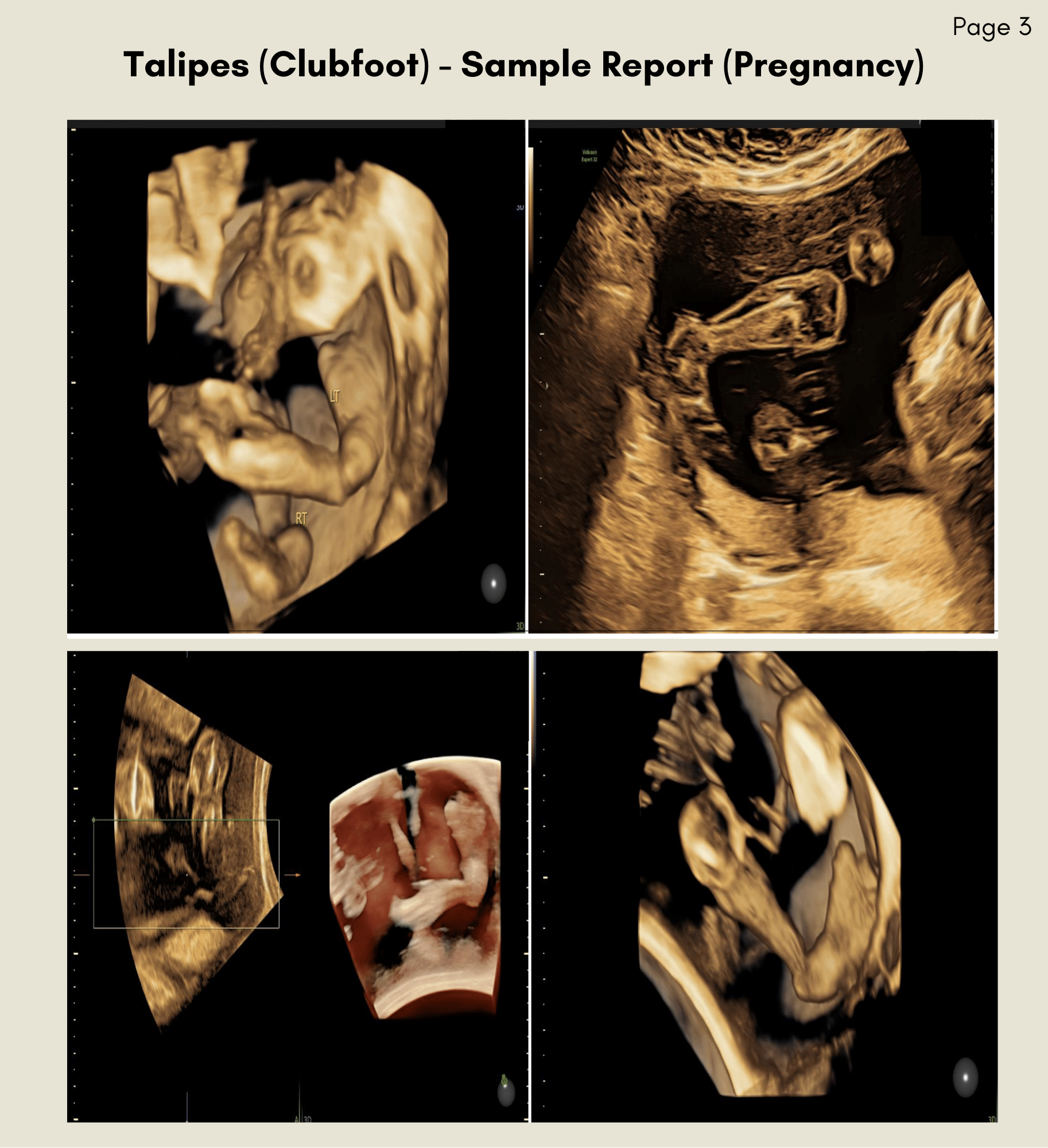
While it’s not always possible to count every finger or toe, it’s important to confirm that they are present and moving freely.
Normally, a baby’s foot lies at a right angle (about 90°) to the leg.
But in this case, the upper surface (dorsum) of the foot was turned inward, lying almost parallel to the tibia and fibula (the leg bones).
This was a key indicator of a condition called Talipes, more commonly known as Clubfoot.
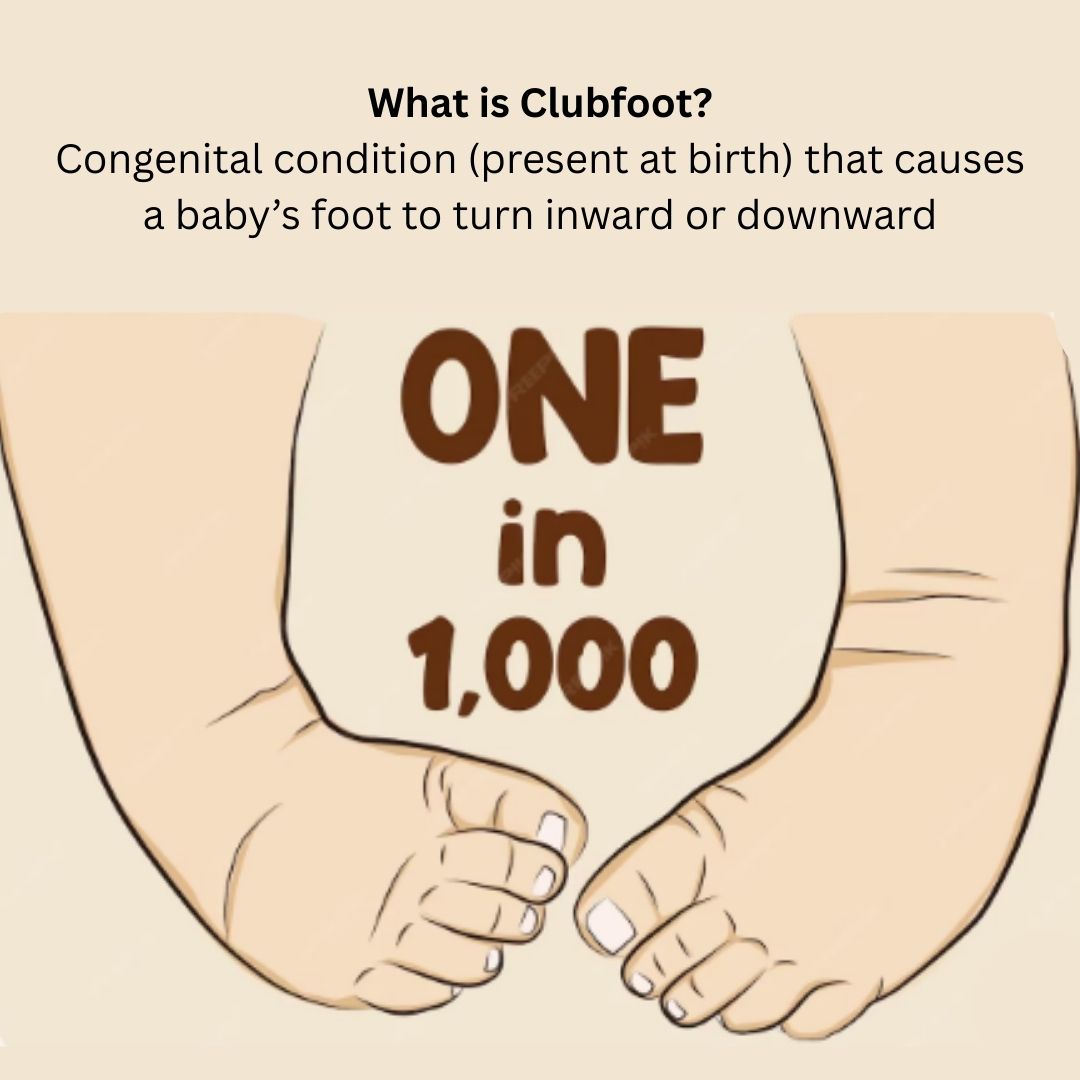
“Globally, studies show that about 1 in every 1,000 live births is affected by this condition”.
Understanding Clubfoot
“Clubfoot? What exactly does that mean?” — the couple asked anxiously.
Dr. Deepthi Jammi patiently explained that clubfoot is a congenital condition, meaning it’s present at birth. It causes a baby’s foot to turn inward or downward instead of pointing straight.
She went on to explain that there are two main types:
- Isolated (Idiopathic) Clubfoot – where only the foot is affected and the baby is otherwise healthy.
- Complex (Syndromic) Clubfoot – where clubfoot occurs along with other structural abnormalities, or affects both feet.
“Did you know? Clubfoot is twice as common in boys as in girls”.
The Bright Side
Since the baby had isolated clubfoot on the left foot, it was a huge relief as there were no other abnormalities.
Dr. Deepthi Jammi reassured the couple that they didn’t have to panic — this was a manageable condition, and with the right care, the baby could lead a completely normal life.
She referred them to a trusted orthopedic surgeon for further evaluation and treatment planning after delivery.
That conversation brought a huge sense of relief to Aditya and Shruti. They felt reassured knowing that they were in the right hands.
Months later, Shruti delivered a healthy baby girl, Aditi, at 38 weeks.
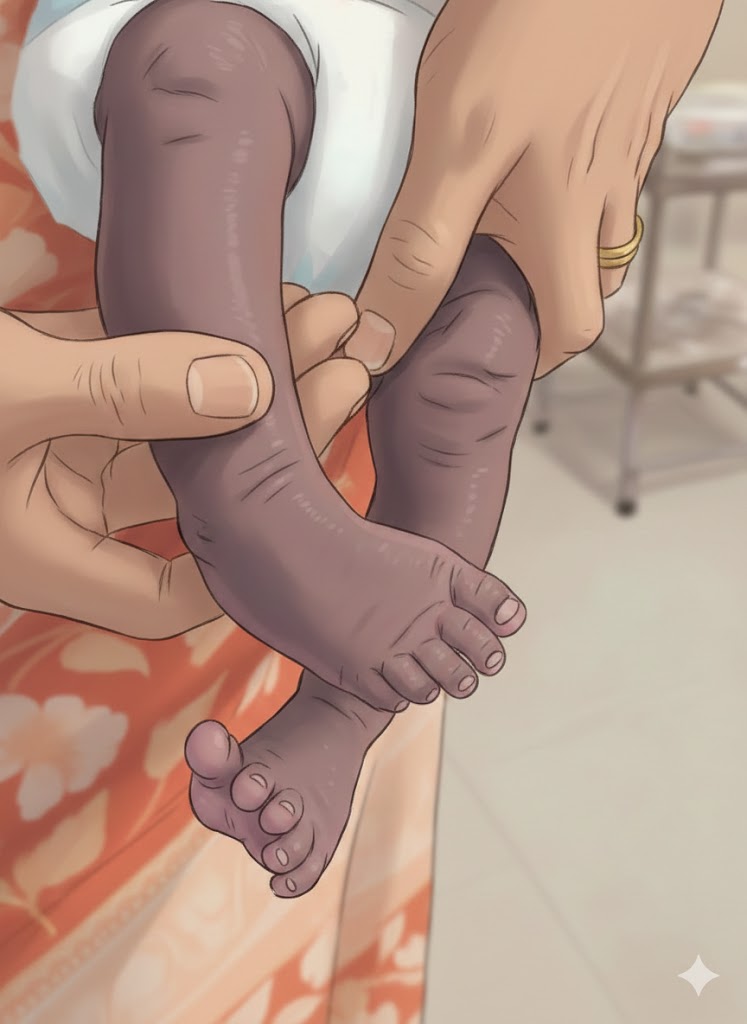
A few weeks after birth, the orthopedic team began gentle Ponseti method therapy, a well-established technique that uses stretching, casting, and bracing to gradually bring the foot into the correct position.
When Aditi started standing on her own at around 10 months, she was given custom Velcro shoes to maintain alignment and support her little feet.
With regular follow-ups and plenty of care, the treatment went beautifully. Now at 4, Aditi runs, jumps, and even won her first running race, a reminder of what early detection and timely treatment can achieve.
Why Awareness Matters?
This case highlights the importance of routine pregnancy scans and the value of having them performed by an experienced specialist. When FMF protocols are followed carefully, subtle conditions like clubfoot can be detected early.
Early detection doesn’t just identify the condition, it helps both parents and healthcare professionals to plan ahead. It allows time to plan personalized care for delivery and arrange the right postnatal care, and consult with specialists such as pediatric orthopedicians well in advance.
Final Takeaway
Things to Be Aware of Before and During Pregnancy
- Routine pregnancy scans play a crucial role in identifying subtle fetal conditions like clubfoot early.
- Choosing the right scan centre with a fetal medicine specialist ensures that every scan is done thoroughly and subtle findings are never missed.
- Clubfoot is treatable, especially when identified early.
- Preparing early gives your baby the best possible start.