Table of Contents
ToggleSummary
Medically Reviewed by Dr. Deepthi Jammi (MS- OB/GYN – Fetal Medicine Specialist)
- Thyroid imbalance may lead to irregular periods, poor egg quality, or miscarriage.
- Maintaining normal TSH levels improves the chances of conception.
- Most thyroid-related fertility issues are treatable with proper medical care.
Introduction
Is there a link between thyroid and fertility? Yes, the thyroid gland plays an important role in fertility.
Located at the anterior lower neck, the thyroid gland is small and butterfly-shaped with two lobes.
It plays a significant role in regulating hormones, metabolism, and reproductive health.
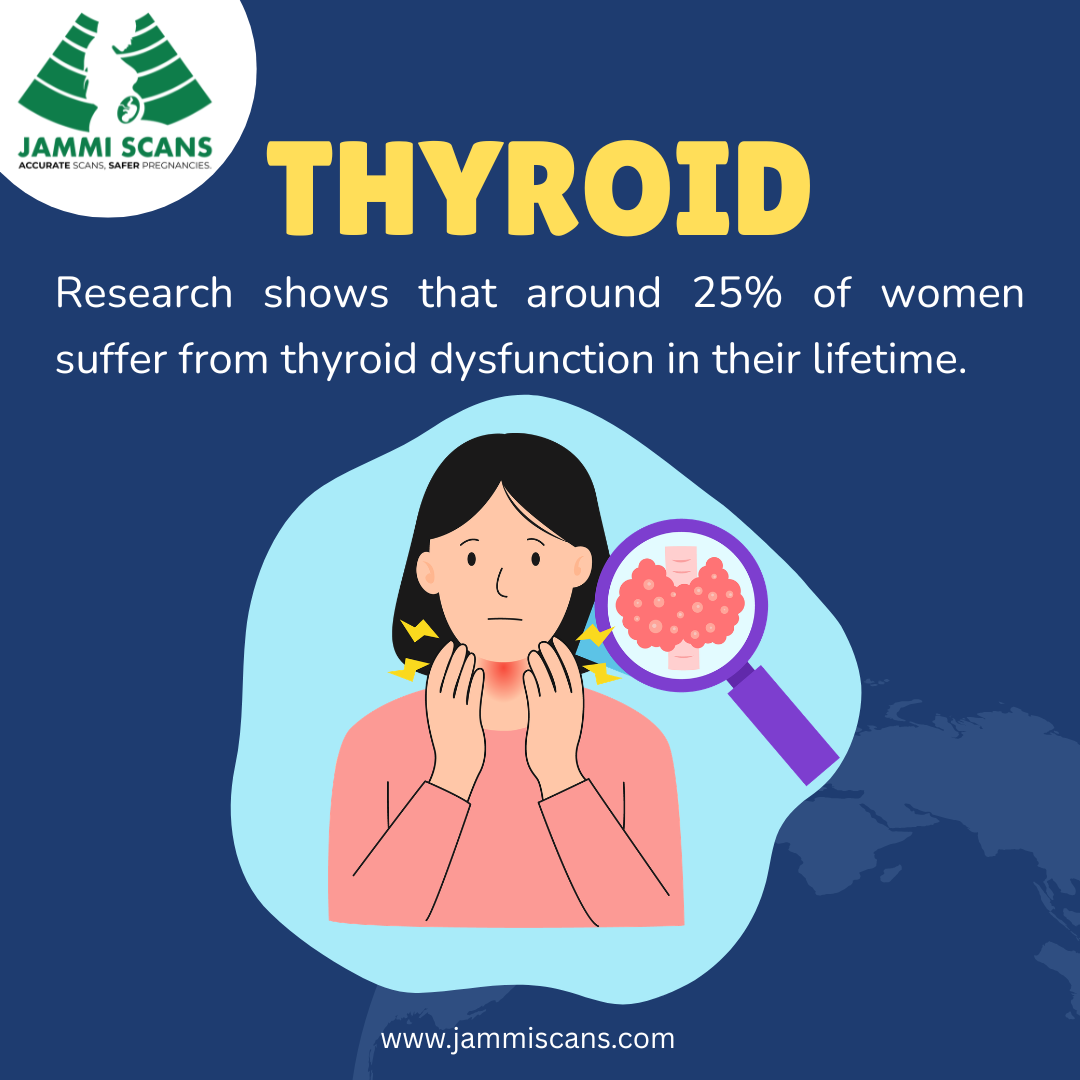
Research shows that around 25% of women suffer from thyroid dysfunction in their lifetime.
Read on to know about the connection between thyroid and fertility.
Can Thyroid Cause Fertility Problems?
Yes, thyroid can cause fertility problems. When thyroid hormones are low, it delays the release of eggs and also interrupts the menstrual cycle.
When not treated, thyroid disorders delay the chances of getting pregnant.
How Does the Thyroid Gland Affect Fertility in Women?
The thyroid gland interacts closely with reproductive hormones such as estrogen and progesterone.
Hypothyroidism (underactive thyroid): The thyroid gland produces insufficient hormones. T3 and T4 hormone levels are low while the TSH levels are high.
Hyperthyroidism (overactive thyroid): The gland produces excess thyroid hormones. T3 and T4 hormone levels are high while the TSH levels are low.
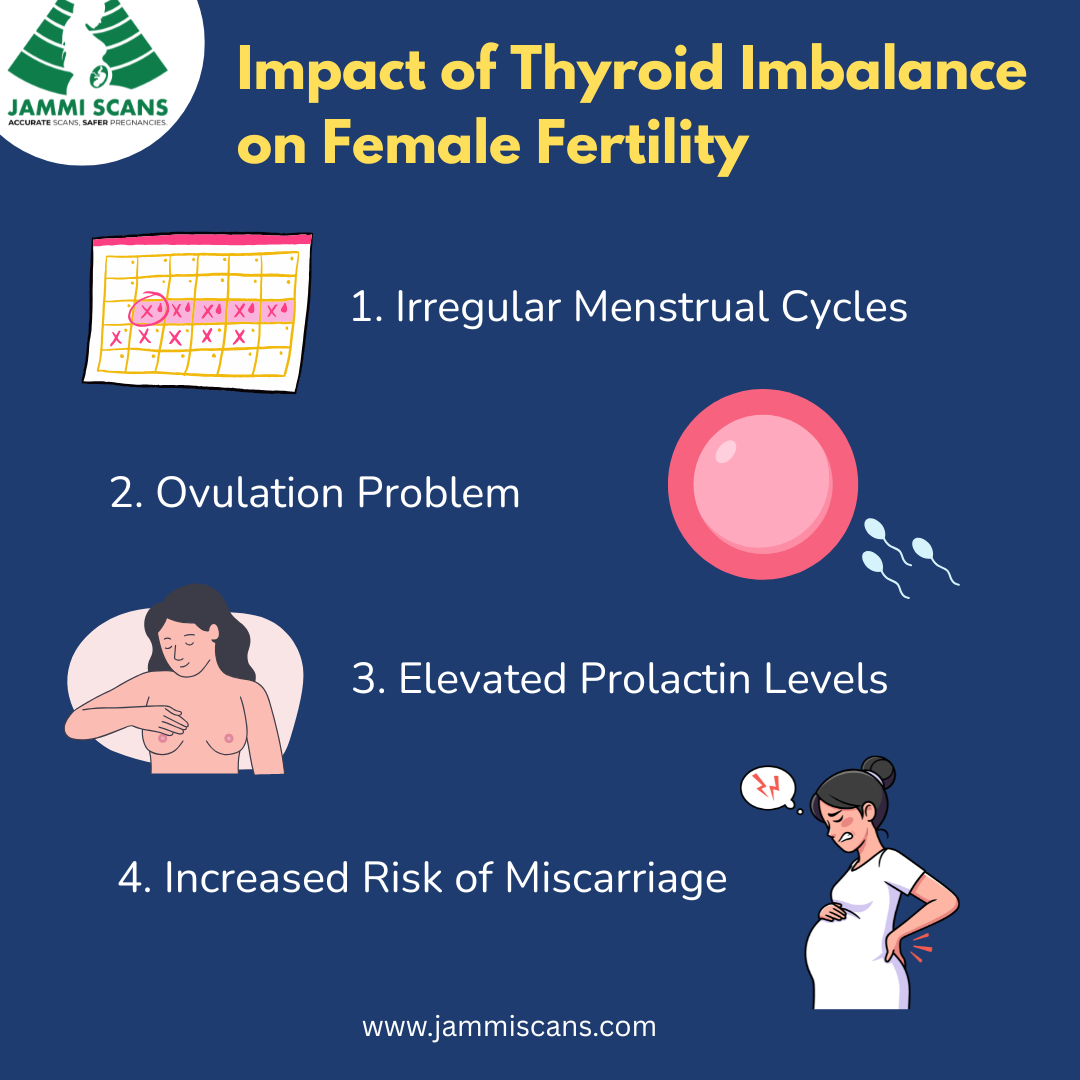
- Irregular Menstrual Cycles
- Ovulation Problem
- Elevated Prolactin Levels
- Increased Risk of Miscarriage
Can I Still Get Pregnant With a Thyroid Disorder?
Yes, many women with thyroid disorders can successfully conceive.
They even have a full-term healthy pregnancy if managed properly. But early diagnosis and correct treatment are mandatory.
What Thyroid Levels Are Normal for Getting Pregnant?
When trying to conceive, TSH (Thyroid Stimulating Hormone) must be between 1.0 – 2.5 mIU/L. This supports ovulation, implantation, and early pregnancy.
Even mildly elevated TSH levels (above 2.5–4.0 mIU/L) may affect fertility in some women.
When to Consult a Doctor?
You should consult a doctor if you experience:
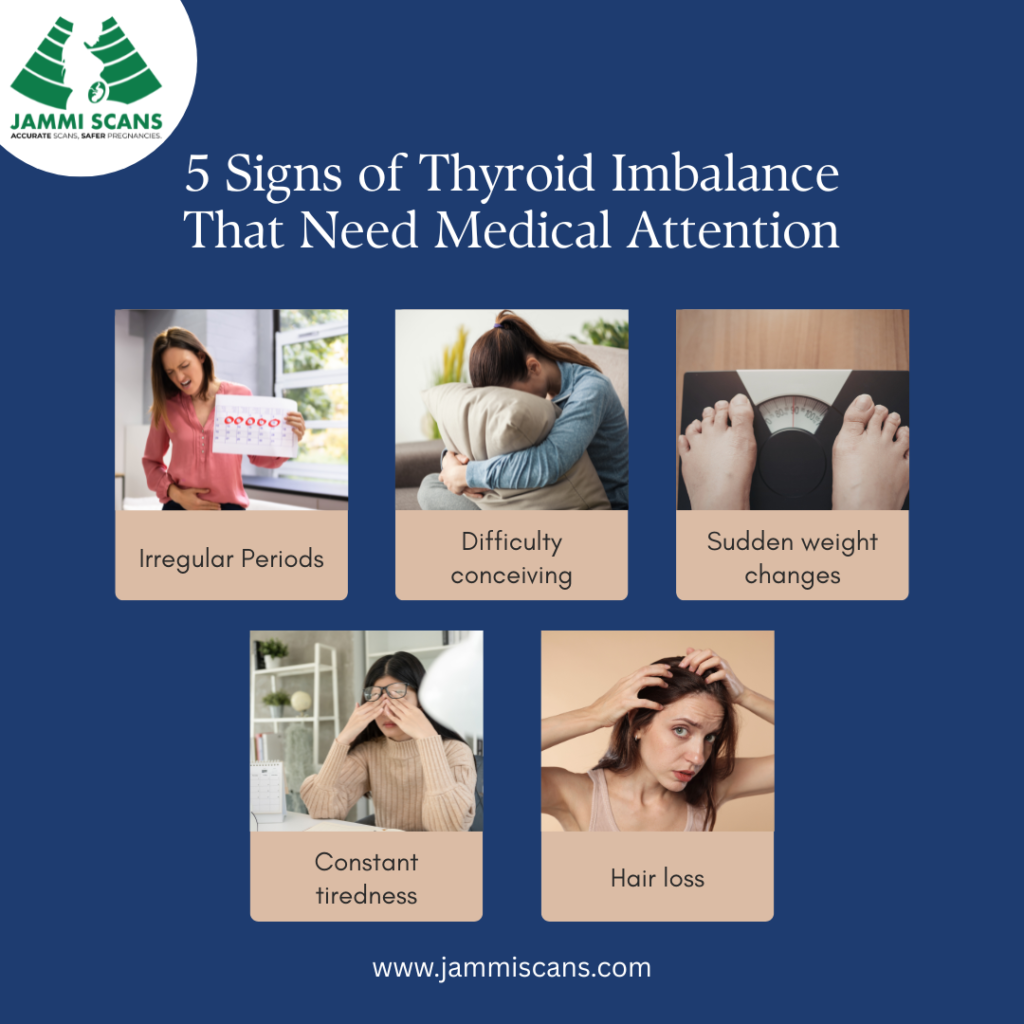
- Irregular periods
- Difficulty conceiving after 6–12 months of trying to conceive
- Unexplained weight changes
- Fatigue or excessive tiredness
- Hair thinning or hair loss
Early diagnosis helps prevent complications and supports a healthy pregnancy journey.
What Are the Treatments Available?
For Hypothyroidism:
- Thyroid hormone replacement is commonly prescribed.
- Regular monitoring of TSH levels is required.
For Hyperthyroidism:
- Anti-thyroid medications
- In some cases, beta blockers, radioiodine therapy, and thyroidectomy (surgery to remove the thyroid gland) may be required.
Conclusion
The link between thyroid and fertility is important. Thyroid disorders are one of the causes of infertility.
Many women do not notice the symptoms early. That is why consulting a gynecologist is important when planning a pregnancy.
When thyroid tests are done as part of the preconception process, thyroid issues can be diagnosed early.
With the right care and regular monitoring, most women can conceive naturally and have a healthy pregnancy.
Book your consultation with Dr. Deepthi Jammi, a leading gynecologist in Chennai, for expert guidance.
Call Jammi Scans at 7338771733 to schedule your appointment today.
FAQ
1. How does thyroid dysfunction affect IVF or fertility treatments?
Thyroid imbalance affects the egg quality and implantation. So, this decreases the success rates of IVF.
2. Do thyroid levels affect egg quality?
Yes. Abnormal thyroid levels can directly impact the number of eggs and their quality. This increases the risk of miscarriage.
3. Can treating a thyroid imbalance restore normal ovulation?
In many cases, yes. Proper treatment often restores regular ovulation and improves menstrual cycles within a few months. This increases the chances of conception.
4. What happens if I get pregnant with an uncontrolled thyroid disorder?
Uncontrolled thyroid disorders during pregnancy can increase
the risk of miscarriage
preterm birth
high blood pressure
developmental concerns for the baby
However, with proper medication and appropriate management, thyroid levels can be stabilized, and pregnant mothers can go on to have a healthy pregnancy.