
Table of Contents
ToggleIntroduction
One of the first and the most common signs of pregnancy is fatigue.
Your energy levels naturally decrease as your body works hard to support your developing baby.
Although feeling exhausted is common, you can handle it more confidently if you know why it happens, when it happens, and when to get medical help.
Fatigue in Early Pregnancy
Fatigue in early pregnancy can be extreme. Many mothers report feeling a sudden loss of energy.
Hormonal changes, particularly progesterone, are a big factor.
This hormone helps sustain pregnancy, but it also has a natural soothing effect that can cause drowsiness.
Other factors include:
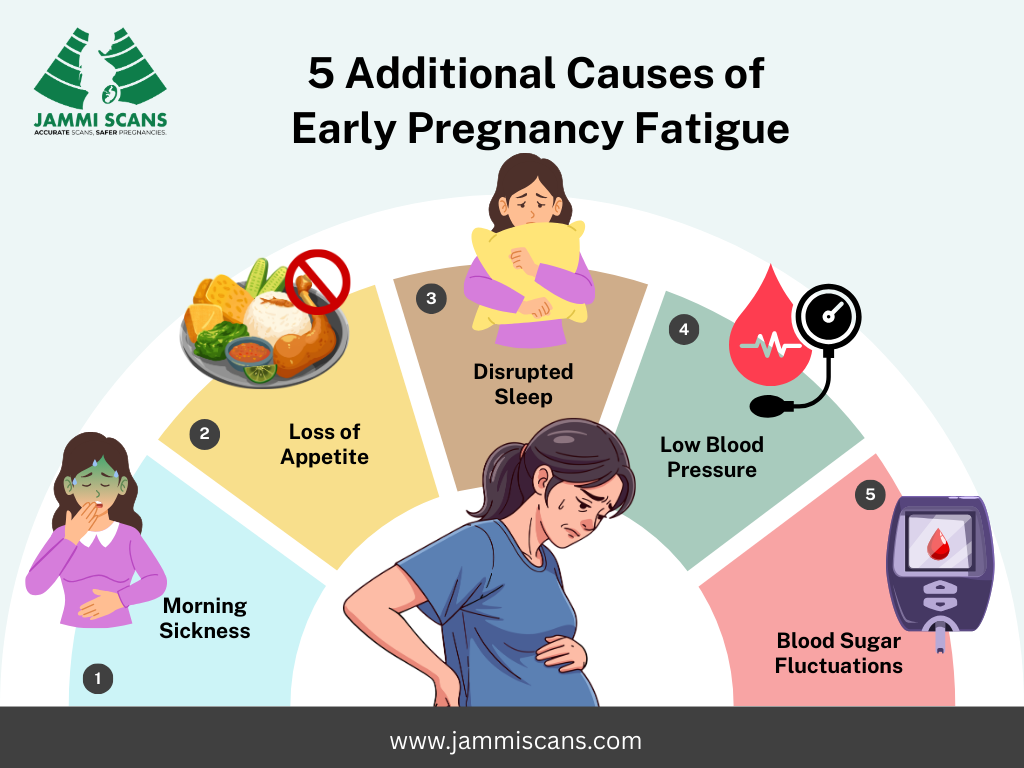
- Morning sickness
- Loss of appetite
- Disrupted sleep
- Low blood pressure
- Blood sugar fluctuations
How Much Fatigue Is Normal in Early Pregnancy?
Feeling very tired in the first trimester is normal. Hormonal changes and your body’s efforts to support the baby can leave you low on energy.
Normal fatigue:
- Improves with rest
- Comes and goes
- Allows you to manage daily tasks
- Gets better in the second trimester
How Soon Can Pregnancy Fatigue Begin?
Pregnancy fatigue can occur as early as 3-4 weeks after conception. Some women experience it even before they miss their period.
Fatigue During Pregnancy by Trimester
| Aspect | First Trimester | Second Trimester | Third Trimester |
|---|---|---|---|
| Fatigue Level | High | Lower | High Again |
| Main Causes | Hormonal surge, placenta formation, nausea | Hormone levels stabilize and the body adjusts | Weight gain, physical discomfort, difficulty sleeping |
| What Mothers Experience | Feeling sleepy all the time, lack of energy, frequent naps | Better energy levels, improved daily routine | Extreme tiredness, difficulty sleeping, shortness of breath |
How Can You Overcome Fatigue During Pregnancy?
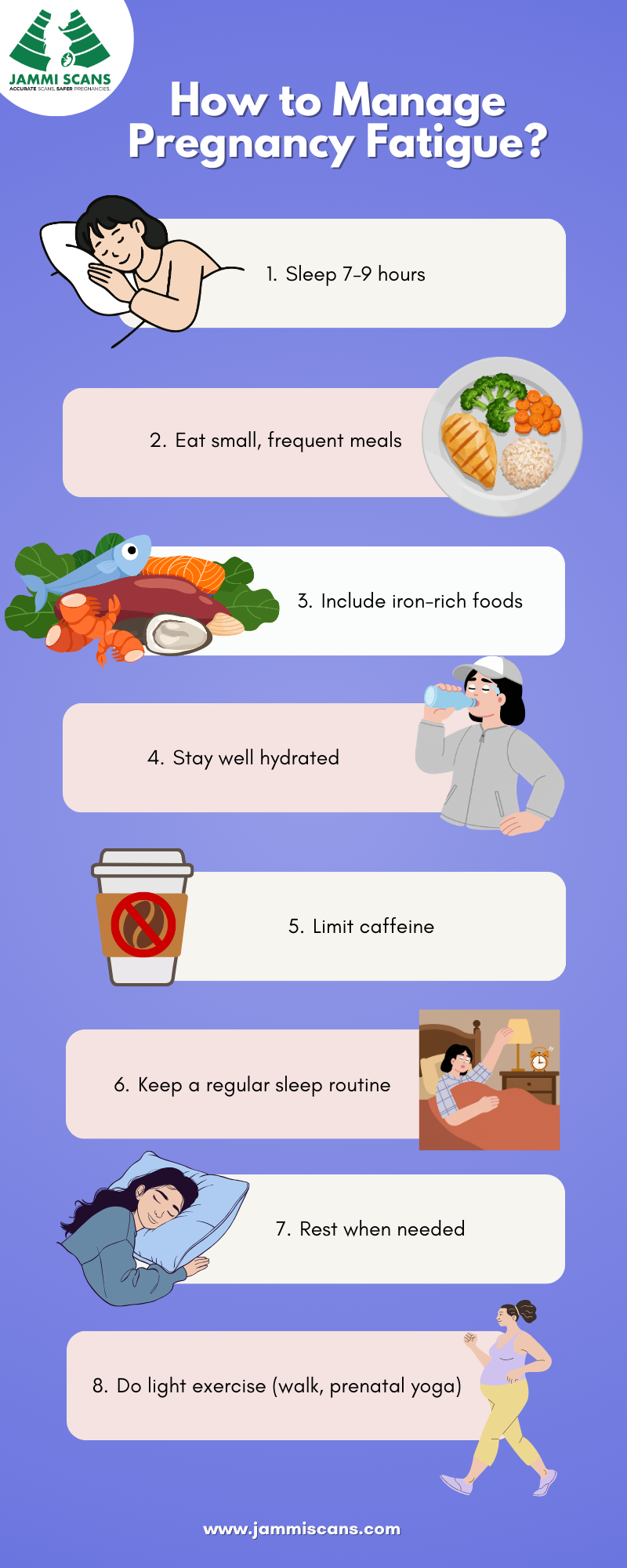
- Get 7-9 hours of sleep
- Eat frequent, small meals
- Eat iron-rich foods
- Stay hydrated with plenty of water
- Avoid too much caffeine
- Maintain a consistent sleep schedule
- Listen to your body and take rest when needed.
- Engage in light physical activities such as walking, prenatal yoga, or stretching exercises.
Is Pregnancy Fatigue Something to Worry About?
Pregnancy fatigue is mostly normal. However, it may also be a sign of a health issue, including:
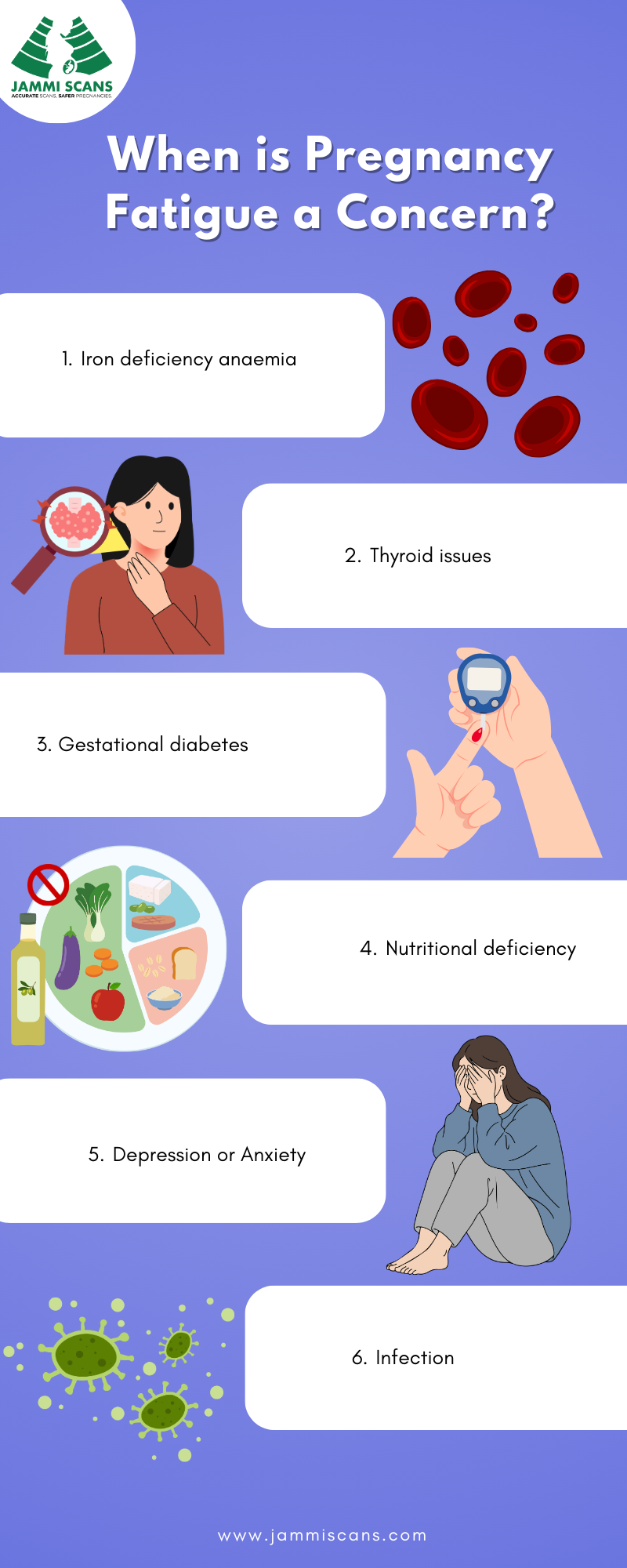
- Iron deficiency anaemia
- Thyroid issues
- Gestational diabetes
- Nutritional deficiency
- Depression or anxiety
- Infection
When fatigue persists or worsens, it is important to have it evaluated by a healthcare provider.
Conclusion: Managing Fatigue While Supporting a Healthy Pregnancy
Fatigue is common, especially during early pregnancy or late pregnancy.
Resting adequately, consuming nutritious food, can greatly help to make the situation better.
If your fatigue is severe, it is best that you contact your doctor right away.
While fatigue does not usually impact the baby’s well-being, it is important not to miss any prenatal scans so your baby can be monitored closely.
At Jammi Scans, Dr. Deepthi Jammi provides comprehensive prenatal scans to ensure your pregnancy is progressing safely and smoothly.
Contact 7338771733 to book your appointment now.
Reviewed by Dr. Deepthi Jammi - Fetal Medicine Specialist
Dr. Deepthi Jammi (Director, Jammi Scans) is a qualified OB/GYN and Post-Doc in Maternal Fetal Medicine. As a pregnancy ultrasound expert, she is passionate about healthy pregnancies and works towards spreading awareness on the latest diagnostic options available for parents to choose from. Dr.Deepthi has received gold medals and awards in Fetal Medicine at international and national conferences, and has appeared in numerous prestigious regional magazines and TV interviews.