Table of Contents
ToggleIntroduction
High Blood pressure during pregnancy (gestational hypertension) is a condition that develops after the 20th week of pregnancy, characterised by elevated blood pressure in expectant mothers.
Studies in India report prevalence ranging from 5% to 15%, making it one of the leading causes of maternal and perinatal complications.
Gestational hypertension tends to resolve after delivery. However, without proper monitoring and care, it can lead to serious complications for both the mother and baby.
Get Your Appointment with Dr. Deepthi Jammi
What Causes Gestational Hypertension?
The exact cause of gestational hypertension is unknown. However, certain risk factors can increase the likelihood of developing this condition.
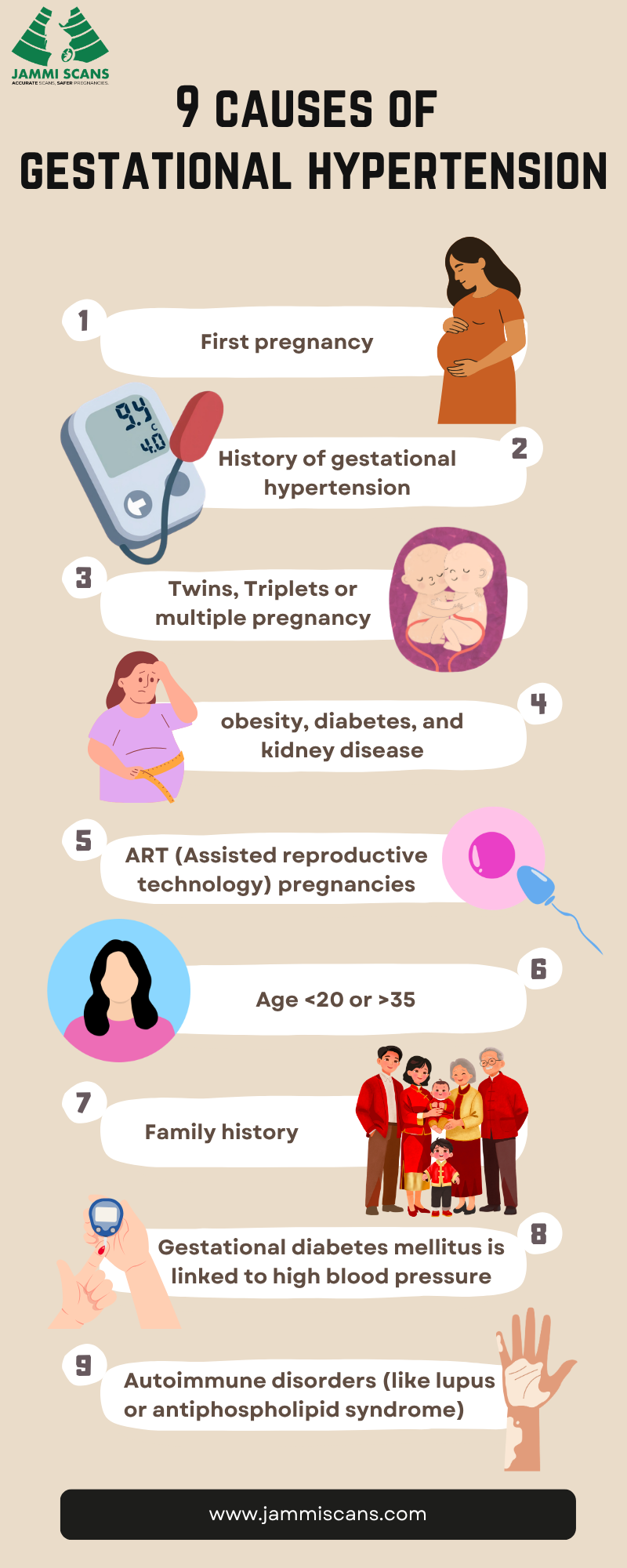
- First-time pregnancy (primigravida)
- History of gestational hypertension
- Carrying more than one baby (twins, triplets, etc.)
- Conditions like obesity, diabetes, and kidney disease
- ART (Assisted reproductive technology) pregnancies
- Age-related: being under 20 or over 35 years old
- Family history of gestational hypertension or pre-eclampsia
- Gestational diabetes mellitus is closely associated with elevated blood pressure during pregnancy
- Autoimmune conditions such as lupus or antiphospholipid syndrome
6 Symptoms of Gestational Hypertension
Gestational hypertension is called a “Silent” condition, as many women who have it do not tend to experience any obvious symptoms.
Hence, regular blood pressure checks during antenatal visits are mandatory. Yet, some women do notice:
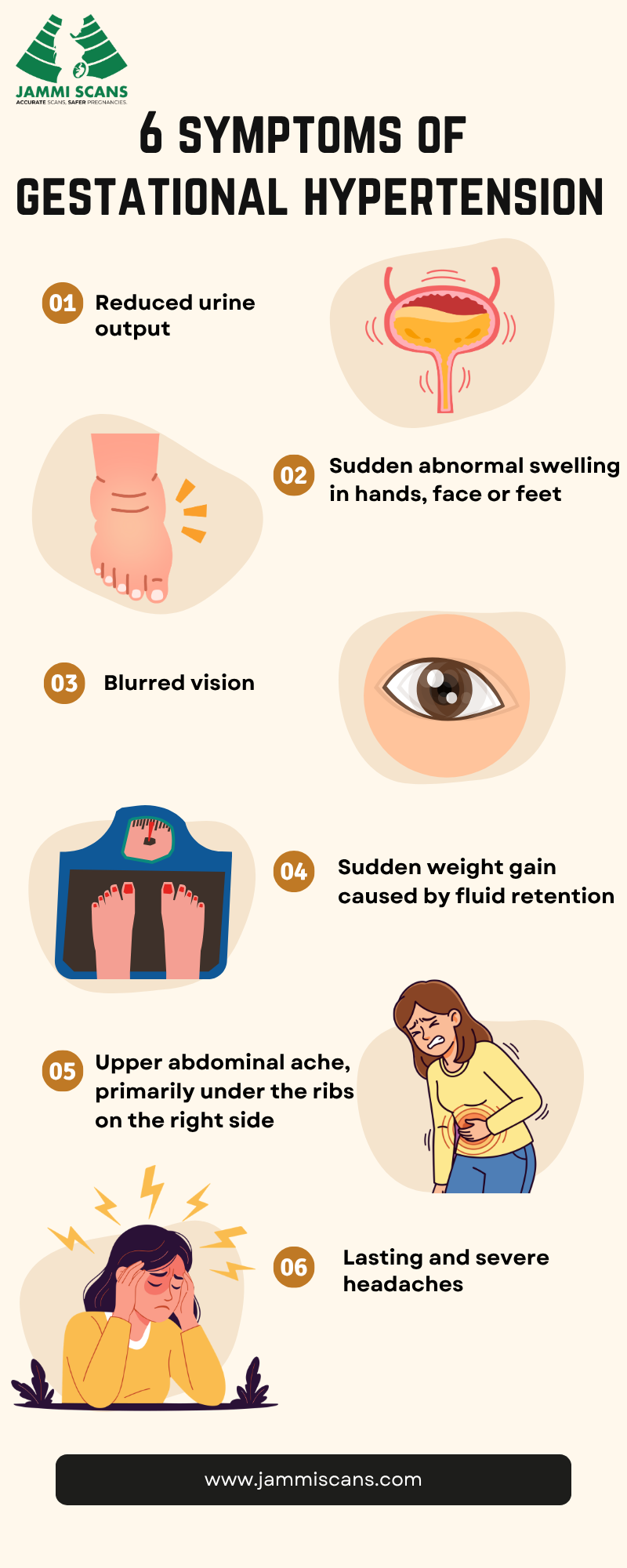
- Reduced urine output
- Sudden abnormal swelling in hands, face or feet
- Blurred vision
- Sudden weight gain caused by fluid retention
- Upper abdominal ache, primarily under the ribs on the right side
- Lasting and severe headaches
If any of these symptoms are present, immediate medical attention is strongly advised.
Gestational Hypertension vs Pre-eclampsia
Gestational hypertension and pre-eclampsia are often used interchangeably, but they’re not the same.
While the two do share some features, they are distinct conditions. The table below shows some key differences.
| Feature | Gestational Hypertension | Preeclampsia |
|---|---|---|
| Blood Pressure | ≥140/90 mmHg | ≥140/90 mmHg |
| Proteinuria (protein in urine) | Absent | Present |
| Onset | After 20 weeks | After 20 weeks |
| Organ involvement | No | Yes (kidneys, liver, brain) |
| Severity | Moderate | Can be severe or life-threatening |
| Resolves after delivery? | Usually yes | May persist; needs monitoring |
| Risk of progression | May progress to preeclampsia | Already a more serious condition |
Gestational Hypertension – Risks and Complications
When left untreated, gestational hypertension increases the risk of complications for both the mother and baby.
To the Mother
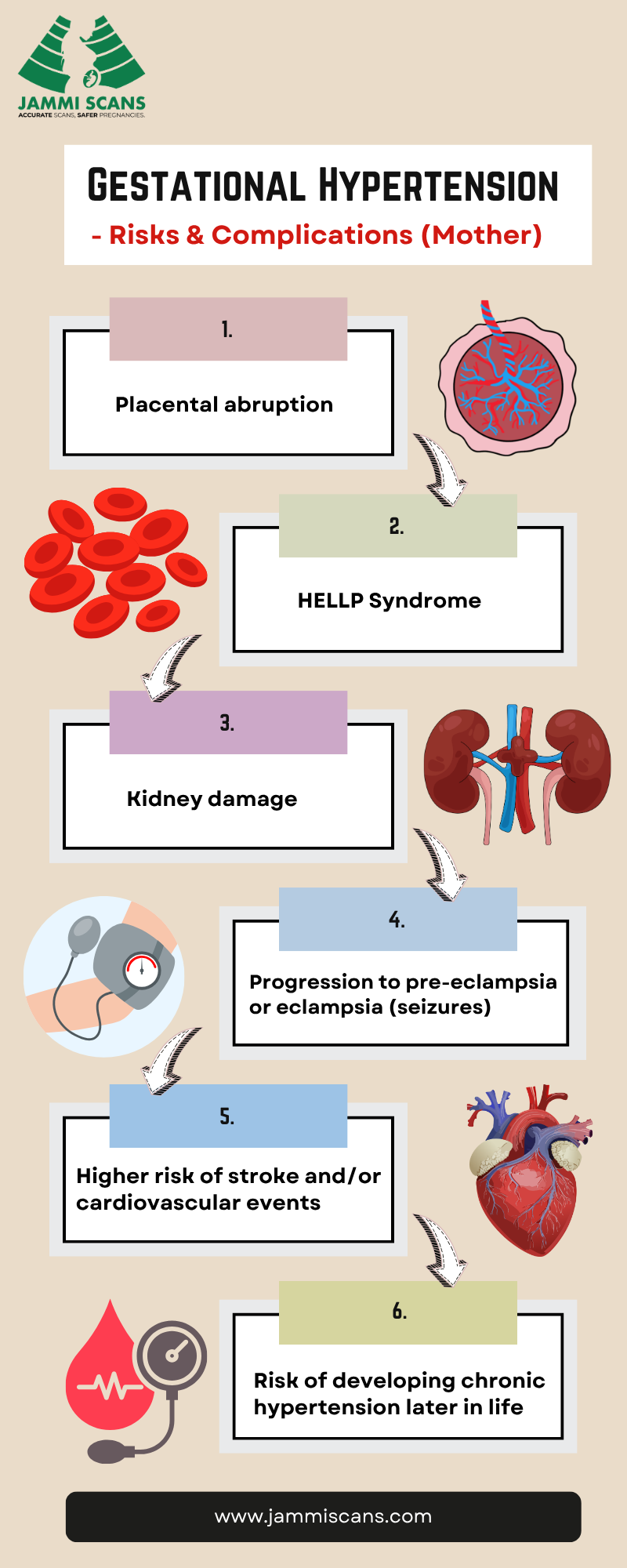
- Placental abruption (Early separation of the placenta)
- HELLP Syndrome (a severe complication involving haemolysis, low platelet count and elevated liver enzymes)
- Kidney damage
- Progression to pre-eclampsia or eclampsia (seizures)
- Higher risk of stroke and/or cardiovascular events
- Risk of developing chronic hypertension later in life
To the Fetus
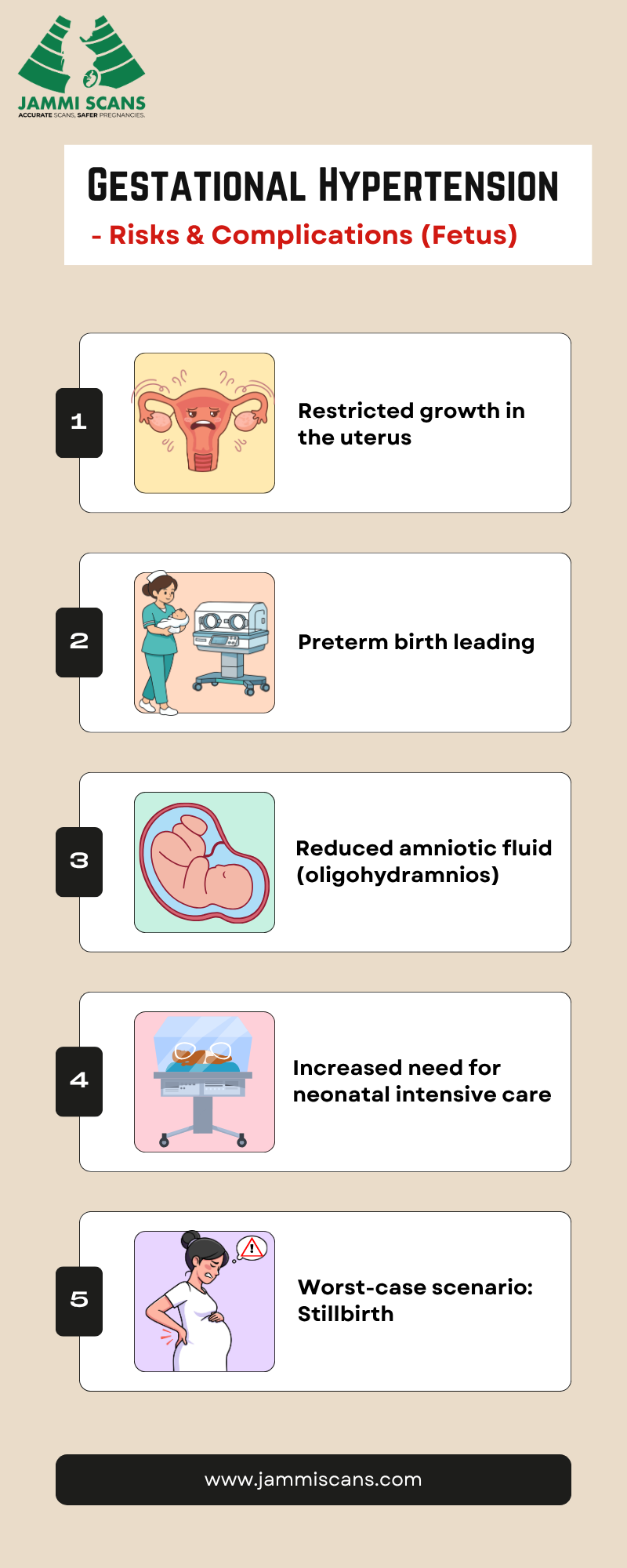
- Restricted growth in the uterus
- Preterm birth leading
- Reduced amniotic fluid (oligohydramnios)
- Increased need for neonatal intensive care
- Worst-case scenario: Stillbirth
Treatment for Gestational Hypertension
Treatment for Gestational Hypertension usually involves:
- Regular blood pressure monitoring
- Medications to manage the condition
- Regular prenatal scans and appointments

Can Gestational Hypertension Be Prevented?
While there aren’t any guaranteed treatments or methods to prevent gestational hypertension, certain measures can reduce the risk and help manage the condition effectively:
- Attend all scheduled antenatal check-ups without fail
- Maintaining a healthy weight before and during pregnancy
- Managing pre-existing conditions like diabetes and obesity before conception
- Following a balanced, low-sodium diet rich in fruits, vegetables and whole grains
When Should You See a Doctor?
Visit your doctor immediately if you notice any of the following warning signs:
- Blood pressure reading of 140/90 mm Hg or higher on two occasions, at least four hours apart
- Severe headache that does not improve with rest or paracetamol
- Sudden or significant swelling in the face, hands, or feet
- Visual disturbances such as flashing lights, blurring, or temporary vision loss
- Pain in the upper abdomen or below the ribs
- Sudden reduction in fetal movements
- Nausea, vomiting, or feeling generally unwell in the third trimester
These symptoms require prompt medical evaluation and should never be ignored.
Gestational Hypertension After Delivery
In most cases, gestational hypertension returns to normal within a few days to six weeks after delivery.
However, regular monitoring remains important, as some women may develop high blood pressure after childbirth.
Women with gestational hypertension may have a higher risk of high blood pressure and heart disease later in life, making long-term health checks and lifestyle management essential.
If antihypertensive medications were used during pregnancy, a doctor will guide whether to continue or stop them after delivery, especially during breastfeeding.
Conclusion
Gestational hypertension is a treatable condition if caught in time and closely monitored.
Routine prenatal check-ups, which include blood pressure, urine, and fetal growth scans, are the most reliable ways to detect this condition in time.
Timely diagnosis and management are crucial for controlling gestational hypertension and ensuring the well-being of both mother and baby.
At Jammi Scans, Dr. Deepthi Jammi performs every scan with precision and accuracy, helping expectant mothers monitor their pregnancy and manage their symptoms better.
For appointments, contact 7338771733 to book your appointment now.
FAQs
1. How to reduce BP during pregnancy?
Managing elevated levels of BP during pregnancy involves:
- Following the medications prescribed by your doctor
- Following a low-sodium yet balanced meals
- Drinking sufficient amounts of water
- Keeping yourself active by performing mild exercises like walking or yoga
- Managing stress levels
- Limiting caffeine and processed foods
2. What is a normal blood pressure for a pregnant woman?
Anything less than 120/80 mmHg is considered to be a normal blood pressure reading during pregnancy
3. What foods are good for lowering blood pressure during pregnancy?
- Include foods rich in potassium, magnesium, and fibre
- Eat leafy greens like spinach and fenugreek leaves
- Add fruits such as bananas and berries
- Choose whole grains like oats
- Include lentils and legumes
- Opt for low-fat dairy products
- Add vegetables like sweet potatoes
- Limit salt intake
- Avoid processed and fried foods
- Consult your obstetrician or dietitian for personalised advice
4. Does gestational hypertension go away after delivery?
In most cases, yes. Gestational hypertension usually resolves on its own within a few days to six weeks after giving birth.
However, it is important to monitor your blood pressure levels regularly. This is because, for some women, gestational hypertension could indicate potential health issues that require monitoring.