Table of Contents
ToggleSummary
Medically Reviewed by Dr. Deepthi Jammi (MS – OB/GYN – Fetal Medicine Specialist)
- An anomaly scan, also known as the mid-pregnancy scan, is done at 18 to 22 weeks of gestation to check if your baby is developing as expected.
- The scan does not involve any radiation as it uses high-frequency sound waves, thus making it safe for the mother and baby.
Introduction
The most common concern of expectant parents is whether the anomaly scan is safe for the baby, and it is a valid concern. After all, you want every test done during pregnancy to be gentle and harmless for your growing baby.
The anomaly scan, also known as the TIFFA scan, is typically performed between 18 and 22 weeks of pregnancy. It gives the doctors a detailed look at your baby’s organs and anatomy.
Decades of clinical research and global medical guidelines confirm it is completely safe since it uses high-frequency sound waves and not radiation.
Schedule an Anomaly Scan with Dr. Deepthi Jammi Today
Is the anomaly scan transvaginal or abdominal?
The anomaly scan is usually performed abdominally. A water-based gel is applied to the abdomen, and the transducer is gently glided over the skin.
In some cases, a transvaginal scan can be carried out such as if the placenta is low-lying or when a clearer image is needed.
Check the Anomaly Scan Pricing Here
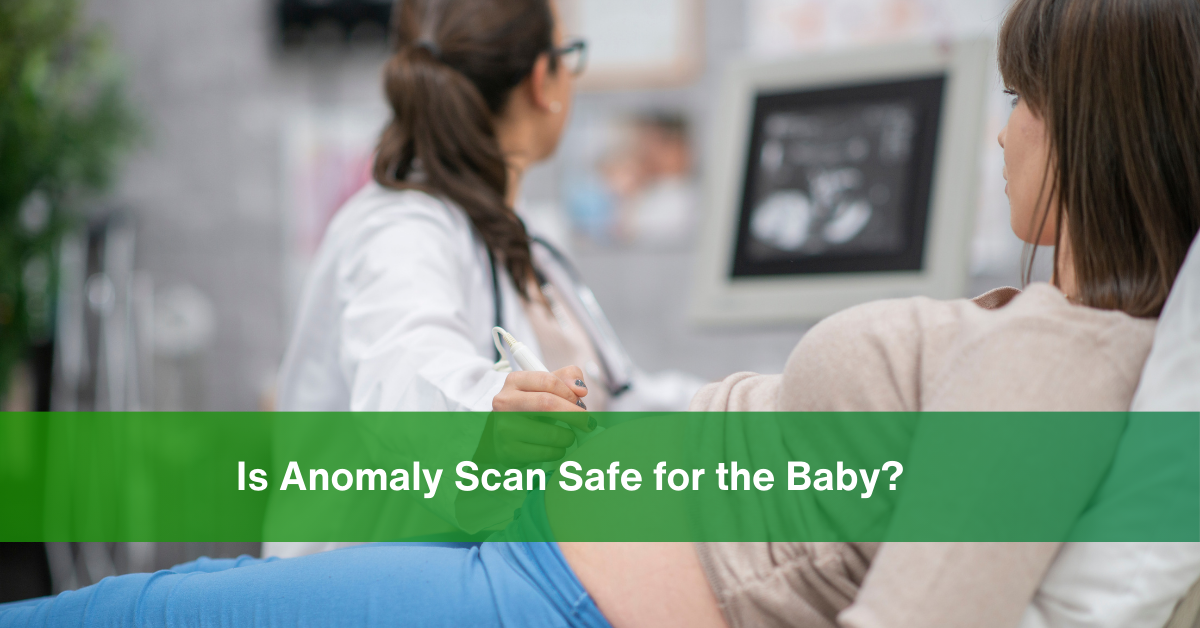
Is Anomaly Scan Safe for the Baby?
Yes, the anomaly scan is completely safe and has been proven medically to be safe as well.
Following is a list of the most common concerns and their reality.
Renowned organisations like WHO, ISUOG, and AIUM all have ruled out myths about the anomaly scan, confirming that routine scans performed by trained professionals are completely safe.
What happens during an anomaly scan?
The anomaly scan is straightforward and non-invasive. Here is what to expect:
1. Preparation

- No fasting is needed
- Drink water beforehand for better image clarity
- Wear loose clothing for easy abdominal access
- Carry your pregnancy file and doctor’s referral letter
Is it necessary to have full bladder for an anomaly scan?
2. The Ultrasound Procedure
A water-based gel is applied to your abdomen. The doctor moves a handheld transducer across your skin, sending high-frequency sound waves that bounce off the baby to create real-time images on a monitor.
Normally, the scan is done transabdominally; however, if the image isn’t clear, then a transvaginal route may be used.
3. Detailed Examination
The doctor checks fetal growth measurements like head circumference, abdominal circumference, and femur length alongside a full anatomical review covering the brain, face, spine, heart, abdomen, limbs, placenta, and amniotic fluid.
Why is an anomaly scan considered safe?
The safety of an anomaly scan depends upon three main factors:
Ultrasound is an intrinsically safe procedure
Ultrasound scanning does not use ionizing radiation. Instead, it works using sound waves that do not harm DNA or alter the growth of cells within the baby.
The energy levels are low and controlled
Diagnostic ultrasound emits energy at a very low level; it operates at energy levels too low to cause tissue heating or physical harm to fetal tissue.
There is a wealth of data supporting its safety
Ultrasound has been safely used in obstetrics since the 1970s, with decades of research showing no harm to fetal or brain development, or academic performance.
Conclusion
The anomaly scan is the safest and most informative scan done during pregnancy.
Rather than worrying about the procedure, focus on its merits: a detailed look into your baby’s health and development, and reassurance that everything is going as expected.
At Jammi Scans, every anomaly scan is performed personally by Dr Deepthi Jammi, an FMF-certified fetal medicine specialist with over 15 years of experience.
Using advanced technology, including the GE Voluson Expert 22, she ensures every detail is captured with precision, with a same-day diagnostic report and thorough post-scan counselling, so you leave knowing exactly what your scan means for you and your baby.
If you have any concerns, speak with our team before your appointment. Book your anomaly scan today: Call 7338771733.
FAQ
1. Is It Safe to Do Multiple Ultrasound Scans during Pregnancy?
Yes. Ultrasounds performed during pregnancy are generally safe and performed according to professional recommendations and there are no studies linking repeated ultrasounds to risks for the baby.
2. Is an anomaly scan safer than other imaging tests?
Yes, unlike x-rays and CT scans, the anomaly scan uses sound waves which are the safest way to visualise your baby in the womb. Book your anomaly scan with Dr Deepthi Jammi at Jammi Scans: call 7338771733.
3. Should I avoid frequent scans during pregnancy?
No, you don’t have to avoid pregnancy scans if they are prescribed by your doctor. Ultrasound scans are considered safe when performed by qualified professionals
4. Is it okay to skip an anomaly scan?
The anomaly scan is one of the most important scans during pregnancy, as it can detect more than 200 structural abnormalities. Hence, it is important not to skip this scan.
5. Why do doctors recommend an anomaly scan?
Doctors recommend the anomaly scan because it provides a thorough assessment of the baby’s major organs, growth, and structural development at a stage when findings can most effectively guide care.
It is a standard part of antenatal care recommended by obstetric guidelines worldwide.
Reviewed by Dr. Deepthi Jammi - Fetal Medicine Specialist
Dr. Deepthi Jammi (Director, Jammi Scans) is a qualified OB/GYN and Post-Doc in Maternal Fetal Medicine. As a pregnancy ultrasound expert, she is passionate about healthy pregnancies and works towards spreading awareness on the latest diagnostic options available for parents to choose from. Dr.Deepthi has received gold medals and awards in Fetal Medicine at international and national conferences, and has appeared in numerous prestigious regional magazines and TV interviews.